
“`html
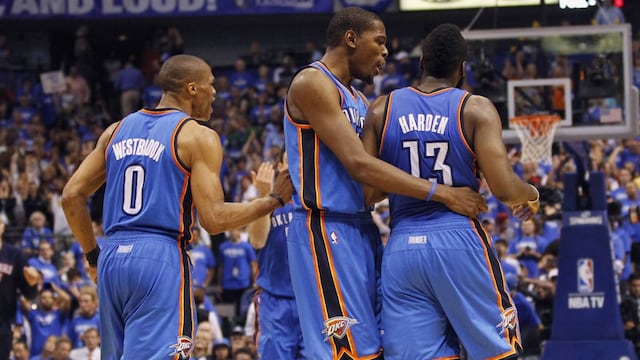
NBA Apocalypse: Dynasty Dreams Crushed
Introduction
Remember those highlight reels? The effortless alley-oops, the clutch game-winners, the roar of the crowd as a seemingly invincible team marched towards their destiny? Now, picture that scene fading, replaced by a stark reality: a league grappling with an unforeseen crisis, dynasty dreams shattered, and the future of the NBA hanging precariously in the balance. Sounds dramatic, right? Well, welcome to the NBA Apocalypse.
This isn’t about one bad season or a string of unfortunate injuries. This is about a systemic challenge, something that threatens the competitive balance, the star power, and the very heart of what makes the NBA so captivating. We’re talking about the burgeoning superteam era reaching its fever pitch, fueled by player empowerment and a changing landscape that’s making parity a distant memory. The result? Dynasty dreams being crushed not by on-court rivals, but by the economics and the structure of the game itself.
Explanation of the Problem
The Earthquake: Short-Term Pandemonium
The immediate fallout of this “NBA Apocalypse” is already visible. Look at the frenzy of offseason trades, the bidding wars for superstars, and the discontent simmering within teams where players feel trapped. The short-term consequences are clear:
- Uneven Competition: We’re seeing a widening gap between the “haves” and the “have-nots.” A select few teams, boasting multiple All-Stars, dominate the headlines and the championship conversation, while others struggle to remain relevant. The regular season, once a battleground for playoff positioning, risks becoming a predictable march to the inevitable.
- Fan Disengagement: Casual fans, the lifeblood of the league, are growing weary of the predictable outcomes. Why tune in to watch a David versus Goliath scenario night after night? This apathy can translate into lower viewership, declining merchandise sales, and a general erosion of interest in the NBA product.
- Talent Concentration: The allure of joining a superteam means that young, promising players might choose to ride the bench on a contender rather than develop as a primary option on a rebuilding team. This hinders the league’s long-term growth and creates a situation where talent is hoarded rather than nurtured.
The Aftershocks: Long-Term Implications
The long-term implications are even more concerning. If the NBA fails to address the underlying issues, it risks:
- Diluted Star Power: If the league continues to revolve around a handful of superteams, the individual achievements of players outside those teams become devalued. This can lead to a decline in overall star power and a lack of compelling narratives beyond the established elite.
- Franchise Instability: Teams in smaller markets or with less financial muscle struggle to retain their star players, creating a cycle of perpetual rebuilding. This can lead to fan frustration, relocation threats, and a general sense of instability within the league.
- Erosion of the Competitive Spirit: The NBA thrives on the idea that any team can compete for a championship. If that dream becomes unattainable for the majority of franchises, the very essence of the league is undermined.
Solutions
Rebuilding the Foundation: Practical Solutions
So, how do we escape this “NBA Apocalypse” and rebuild a league that is both competitive and captivating? The answer lies in a multi-pronged approach, tackling the root causes of the problem:
- Reworking the Salary Cap and Luxury Tax:
- The Progressive Luxury Tax: Implement a harsher, more progressive luxury tax system that penalizes teams that significantly exceed the salary cap. The current system, while intended to discourage excessive spending, often fails to deter wealthy owners from pursuing superteams. A more aggressive tax could make it financially unsustainable to hoard talent.
- Example: Increase the tax rate exponentially as a team’s payroll exceeds the cap. A team slightly over the cap might face a reasonable tax penalty, but a team deep into the luxury tax would face crippling financial consequences.
- Hard Cap Considerations: While a hard cap is a drastic measure, it deserves consideration. A hard cap would strictly limit the amount a team can spend, preventing the creation of superteams altogether. However, this would require careful negotiation with the players’ union and might limit player mobility.
- The Progressive Luxury Tax: Implement a harsher, more progressive luxury tax system that penalizes teams that significantly exceed the salary cap. The current system, while intended to discourage excessive spending, often fails to deter wealthy owners from pursuing superteams. A more aggressive tax could make it financially unsustainable to hoard talent.
- Modifying Free Agency Rules:
- Restricted Free Agency Enhancements: Strengthen restricted free agency to give teams more leverage in retaining their own players. This could involve allowing teams to match any offer sheet while also providing a “loyalty bonus” to players who stay with their original team.
- Contract Extensions Incentives: Offer significant financial incentives for players to sign contract extensions with their current teams. This could include a larger maximum contract or a higher percentage of the salary cap.
- Example: A player signing an extension with their current team could be eligible for a “designated player exception,” allowing them to earn a higher salary than they would be able to otherwise.
- Promoting Player Development and Scouting:
- G League Investment: Encourage teams to invest in their G League affiliates to develop young talent. The G League should serve as a true proving ground for aspiring NBA players, providing opportunities for them to hone their skills and showcase their potential.
- International Scouting Expansion: Expand international scouting efforts to identify and develop talent from around the world. The NBA is a global league, and there is a vast pool of untapped talent waiting to be discovered.
- Example: The Toronto Raptors’ success in developing Pascal Siakam, a relatively unknown prospect from Cameroon, demonstrates the potential of international scouting and player development.
- Reimagining the Draft Lottery:
- Flatten the Lottery Odds: Reduce the odds of the worst teams landing the top draft picks. This would disincentivize tanking and encourage teams to compete, even when they are not championship contenders.
- Example: A lottery system where the worst team has only a slightly better chance of landing the number one pick than the team with the best record that didn’t make the playoffs.
- Wheel System (Optional): Implement a “wheel system” where teams are assigned draft slots in a predetermined order. This would eliminate the lottery altogether and create a more equitable distribution of talent.
- Flatten the Lottery Odds: Reduce the odds of the worst teams landing the top draft picks. This would disincentivize tanking and encourage teams to compete, even when they are not championship contenders.
- Empowering Smaller Market Teams:
- Revenue Sharing Optimization: Improve the revenue-sharing model to provide smaller market teams with more resources to compete with their larger market counterparts.
- Strategic Partnerships: Encourage smaller market teams to form strategic partnerships with local businesses and community organizations to generate additional revenue.
Conclusion
The “NBA Apocalypse” is not inevitable. By taking decisive action and implementing these solutions, the league can restore competitive balance, reignite fan enthusiasm, and ensure a brighter future for all 30 teams. It requires a willingness to embrace change, a commitment to fairness, and a shared vision for a league where every team has the opportunity to compete for a championship.
The path forward won’t be easy. There will be resistance from those who benefit from the current system. But the long-term health of the NBA depends on addressing these issues. Let’s work together to rebuild the foundation, restore the competitive spirit, and ensure that the NBA remains the most exciting and captivating basketball league in the world. The time to act is now. The future of the game depends on it.
“`
