
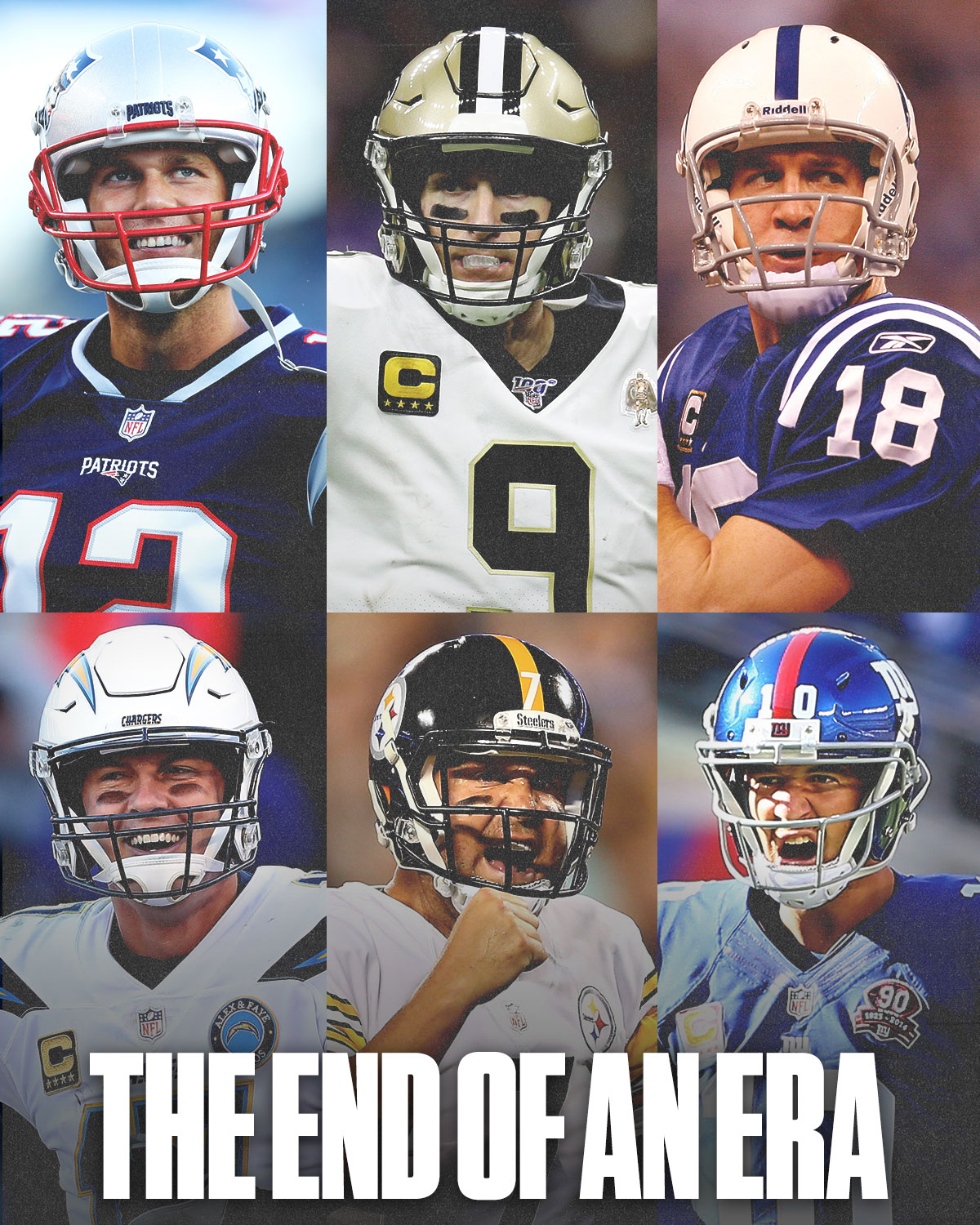
NFL Apocalypse: Is This the End of an Era?
Introduction
The roar of the crowd, the bone-jarring hits, the gravity-defying catches – these are the things that define the NFL. For decades, the league has been a cultural behemoth, a Sunday ritual woven into the fabric of American life. But lately, a nagging question has begun to surface, whispered in sports bars and debated on social media: Is the NFL in decline? Is this the beginning of the end, an “NFL Apocalypse” looming on the horizon?
Before you dismiss this as hyperbole, consider the evidence. Declining viewership numbers in certain demographics, growing concerns about player safety, and the rise of alternative entertainment options are all contributing to a sense that the league’s dominance might not be as assured as it once was. This isn’t just about a few bad games; this is about a potential shift in the very foundations of professional football.
So, what’s really going on? And, more importantly, can the NFL adapt to survive, or is it destined to fade into the annals of sports history?
The Warning Signs: Short-Term Headaches, Long-Term Threats
The problems facing the NFL aren’t new, but their cumulative effect is creating a perfect storm.
- Player Safety and the CTE Crisis: This is arguably the biggest and most pressing issue. The link between repeated head trauma and Chronic Traumatic Encephalopathy (CTE) is no longer a conspiracy theory; it’s scientific reality. The long-term health consequences for players are devastating, and this knowledge is impacting everything from youth football participation to the way fans perceive the game. Short-term, the league faces expensive lawsuits and pressure to implement stricter safety protocols. Long-term, the dwindling pool of willing players and the tarnished image of the sport could be catastrophic.
- Concussion Protocols Under Scrutiny: Remember the Tua Tagovailoa incident? The blurry line between a player being “shaken up” and medically unfit to play has become a legal and public relations nightmare for the league. The short-term impact is increased distrust in the league’s commitment to player well-being, while the long-term risk could be a player collapsing or dying on the field.
- The Rise of Alternative Entertainment: Let’s face it, attention spans are shrinking. With streaming services, video games, and a constant barrage of social media content vying for our eyeballs, the NFL is no longer the only game in town. The short-term effect is that the games can feel longer and more laborious. The long-term risk is that Gen Z and future generations simply won’t have the same ingrained connection to the sport.
- Rule Changes and Officiating Controversies: While intended to enhance player safety and improve the game’s flow, some rule changes have been met with frustration from players and fans alike. Add in the ever-present (and sometimes questionable) officiating calls, and you have a recipe for a disgruntled fan base. Short-term, fans may express their discontent by watching fewer games. Long-term, if this trend continues, the perceived integrity of the game could be severely damaged.
- High Ticket Prices and Over-Commercialization: The cost of attending an NFL game, from tickets to concessions, is exorbitant for many families. Couple this with the constant barrage of advertisements during games, and it’s easy to see why some fans are feeling alienated. Short-term, it can impact the live game experience, the long-term threat is that the league will lose its local flavor and relatability.
Navigating the Storm: Practical Solutions for a Sustainable Future
The good news is, the NFL isn’t blind to these challenges. The league has already taken steps to address some of these issues, but more needs to be done. Here are some practical solutions that could help the NFL weather the storm and ensure its survival:
- Prioritizing Player Safety: This isn’t just about adding more padding; it’s about fundamental changes to the way the game is played.
- More comprehensive CTE research and prevention: Fund cutting-edge research into CTE prevention and treatment and invest in developing safer helmets and equipment.
- Stricter Concussion Protocols: Implement independent medical evaluations and err on the side of caution when dealing with potential head injuries. Consider protocols like those used in Rugby in which players need to pass standardized tests before they can return to play.
- Limit Contact in Practice: Reducing the amount of full-contact practice sessions can significantly decrease the risk of cumulative head trauma. Some teams, like the Baltimore Ravens, have already adopted this approach with promising results.
- Further Review and Modify the Rules: This will reduce dangerous hits and unnecessary collisions, such as targeting or leading with the helmet.
- Enhancing the Fan Experience: Make the game more engaging and accessible.
- Affordable Ticketing Options: Implement tiered pricing and explore initiatives like family packages to make games more accessible to a wider range of fans.
- Shorter Commercial Breaks: Reduce the number of commercials during games and find creative ways to integrate advertising without disrupting the flow of the game.
- Improved Streaming Options: Offer more affordable and user-friendly streaming options for fans who can’t attend games in person. Offer incentives like watch parties at local bars and restaurants.
- Embrace Technology and Innovation: Embrace new technologies like virtual reality and augmented reality to enhance the viewing experience.
- Addressing Officiating Concerns: Rebuild trust in the integrity of the game.
- Transparency and Accountability: Be more transparent about officiating decisions and hold officials accountable for mistakes.
- Utilize Technology: Implement technology like the “sky judge” to review questionable calls and reduce human error.
- Training and Development: Invest in better training and development programs for officials.
- Engaging the Next Generation: Cultivate a new generation of fans.
- Youth Football Programs: Invest in youth football programs that prioritize safety and teach proper techniques.
- Partnerships with Gaming Platforms: Partner with video game developers and esports organizations to reach younger audiences.
- Social Media Engagement: Create engaging content and build relationships with fans on social media platforms.
A Playbook for the Future: Embracing Change and Staying Relevant
The NFL is facing a critical juncture. But the doom-and-gloom narrative of an “NFL Apocalypse” doesn’t have to be the final chapter. By acknowledging the challenges, prioritizing player safety, enhancing the fan experience, and embracing innovation, the league can adapt and thrive in the years to come.
This requires a willingness to evolve and a commitment to putting the long-term health of the game ahead of short-term profits. It’s about remembering what made the NFL so popular in the first place: the passion, the excitement, and the sense of community that it fosters.
The clock is ticking, but the game isn’t over. The NFL has the talent, the resources, and the platform to write a new chapter in its history – a chapter where player safety is paramount, the fan experience is cherished, and the legacy of the game is secured for generations to come. It’s time for the NFL to step up and deliver. The future of football depends on it.
