
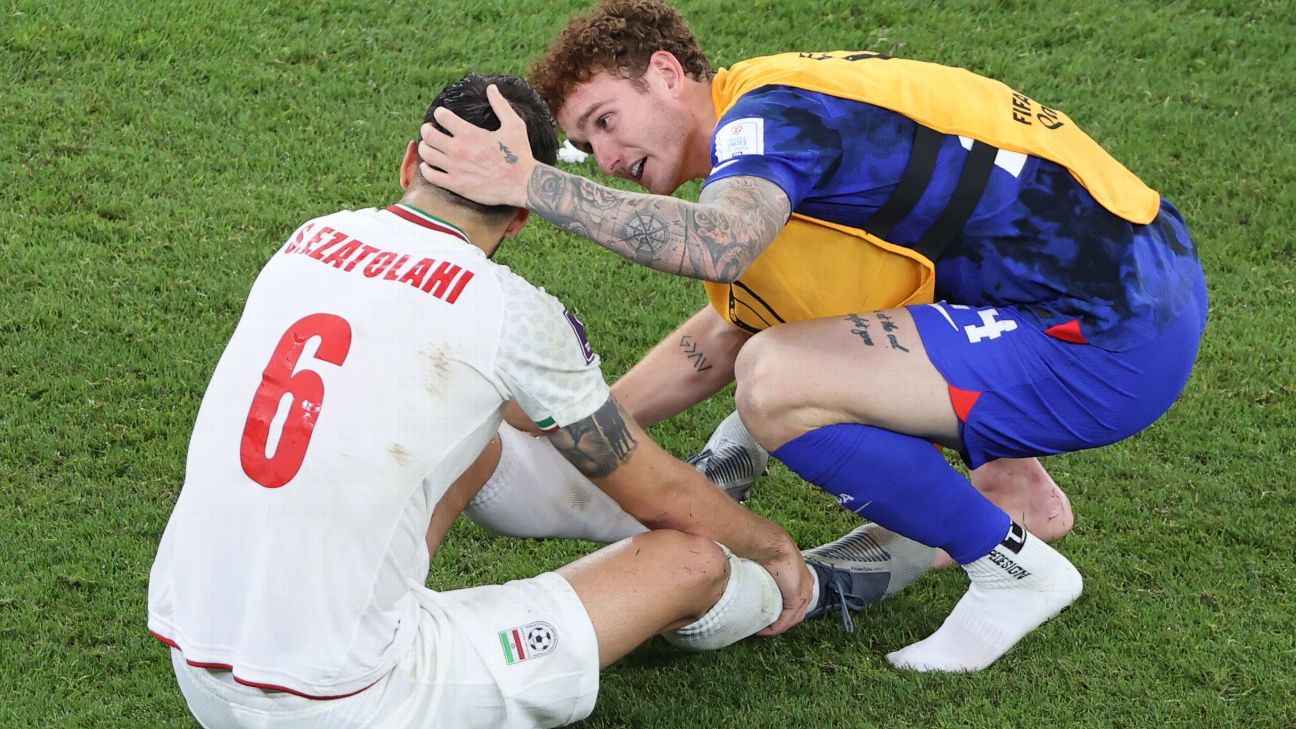
World Cup: Glory or Gutwrench?
Introduction
The roar of the crowd, the electric anticipation hanging in the air, the sheer, unadulterated joy (or crushing despair) etched on players’ faces. The World Cup. It’s a spectacle that captivates billions, a month-long odyssey filled with breathtaking goals, nail-biting finishes, and dreams both realized and shattered. But beyond the dazzling display of athletic prowess and national pride, lies a question that lingers long after the final whistle: is the World Cup ultimately a path to glory, or a gut-wrenching experience with lasting negative consequences?
We’ve all seen the highlight reels: the underdog team defying expectations, the veteran player finally achieving their lifelong dream, the young prodigy announcing their arrival on the world stage. These moments are what fuel the global obsession with the tournament. But what about the flip side? The devastating injuries that derail careers, the intense pressure that leads to burnout, the crushing disappointment that lingers for years, even decades?
Let’s delve deeper.
The Short-Term Highs and Lows
In the immediate aftermath of a World Cup, the winning nation is bathed in a golden glow. National pride soars, economies often see a temporary boost in sectors like tourism and merchandise sales, and the players become instant national heroes. Think of Spain after their 2010 victory, the nation unified in celebration, a feel-good factor permeating society.
However, the flip side can be equally potent. A devastating loss in the knockout stages can plunge a nation into mourning, impacting morale and even productivity. More critically, the physical and emotional toll on players can be significant. They’ve endured grueling training regimes, intense media scrutiny, and the immense pressure of representing their nation. This intense period can lead to fatigue, burnout, and an increased risk of injury.
The Long-Term Shadows: Beyond the Cheers and Tears
The long-term consequences of a World Cup appearance, particularly a high-pressure one, are often overlooked. While victory can lead to lucrative endorsement deals and a cemented place in sporting history, defeat can have lasting psychological effects.
- Burnout and Mental Health: The intense pressure cooker environment of a World Cup can exacerbate existing mental health issues or trigger new ones. Players may experience anxiety, depression, and even post-traumatic stress. We’ve seen players openly discuss their struggles with mental health, highlighting the need for increased support and awareness.
- Injury Fallout: The relentless schedule and high-intensity matches often lead to injuries, some career-ending. Players may rush back from injuries to participate, risking long-term damage. We’ve seen many examples of promising careers being cut short due to World Cup-related injuries.
- Legacy and Expectation: The weight of past glory can be a burden. Nations with a rich World Cup history often face immense pressure to replicate their success, leading to unrealistic expectations and disappointment. This can create a toxic environment for players and fans alike.
- Club vs. Country Divide: The intense focus on international duty can sometimes strain relationships between players and their club teams. Players may return from the World Cup fatigued or injured, impacting their performance for their clubs.
So, what can be done to mitigate the negative impacts and ensure that the World Cup experience leans more towards glory than gutwrench?
Practical Solutions: Turning the Tide
Here are some practical solutions, catering to different stakeholders, that can help create a more sustainable and positive World Cup experience:
Prioritizing Player Welfare:
- Mandatory Rest Periods: FIFA and club leagues should collaborate to ensure players have adequate rest and recovery time before and after major tournaments. This includes mandatory off-seasons and limits on match appearances. This isn’t about coddling players; it’s about protecting a valuable asset and ensuring longevity.
- Enhanced Mental Health Support: Each national team and club should have dedicated mental health professionals available to players. This includes pre-tournament psychological assessments, on-site support during the tournament, and post-tournament counseling. Normalize seeking help and create a culture of open communication.
- Improved Injury Prevention and Management: Invest in advanced injury prevention techniques and provide players with personalized training programs. Emphasize the importance of proper rehabilitation and avoid rushing players back from injuries.
Managing Expectations and Pressure:
- Realistic Goal Setting: Encourage teams to set realistic goals based on their current capabilities and the strength of their competition. Avoid creating unrealistic hype that can lead to disappointment. It’s about striving for excellence, not guaranteeing victory.
- Media Training and Support: Equip players with the skills to handle the intense media scrutiny and pressure that comes with a World Cup appearance. Provide them with media training and support to navigate interviews and social media.
- Fan Education and Responsibility: Promote responsible fan behavior and discourage toxic fandom. Remind fans that players are human beings with emotions and limitations. Celebrate effort and sportsmanship, regardless of the outcome.
Building a Sustainable Legacy:
- Investing in Grassroots Football: A portion of the revenue generated from the World Cup should be reinvested in grassroots football development. This includes funding youth academies, training coaches, and improving infrastructure. This ensures that the benefits of the tournament extend beyond the immediate event.
- Promoting Sportsmanship and Fair Play: Emphasize the importance of sportsmanship and fair play throughout the tournament. Recognize and reward players and teams that exhibit exemplary behavior. This helps to create a positive role model for young aspiring footballers.
- Creating Educational Programs: Develop educational programs that highlight the positive impacts of football, such as promoting health, teamwork, and social inclusion. These programs can be targeted at schools and communities around the world.
Alternative Approaches: Tailoring Solutions to Different Needs
Different nations and individuals may require different approaches to manage the pressures and challenges of the World Cup. For example:
- For Smaller Nations: Focus on developing a sustainable football program that fosters local talent and creates a sense of national pride, regardless of World Cup success.
- For Veteran Players: Implement personalized training and recovery plans to extend their careers and manage the physical and emotional toll of the tournament.
- For Young Players: Provide mentorship and guidance to help them navigate the pressures of fame and expectation.
Conclusion: Embracing the Challenge, Shaping the Future
The World Cup is an undeniably powerful force, capable of inspiring nations and igniting dreams. But it also carries the potential for gut-wrenching disappointment and lasting negative consequences. The key lies in recognizing these potential pitfalls and taking proactive steps to mitigate them.
By prioritizing player welfare, managing expectations, building sustainable legacies, and tailoring solutions to individual needs, we can shape a future where the World Cup is truly a celebration of human potential, a source of enduring glory, and a testament to the unifying power of sport.
The journey to glory is never easy, but by embracing the challenge and working together, we can ensure that the World Cup remains a source of inspiration and positive change for generations to come. The ball is in our court. Let’s play it wisely.
