
“`html
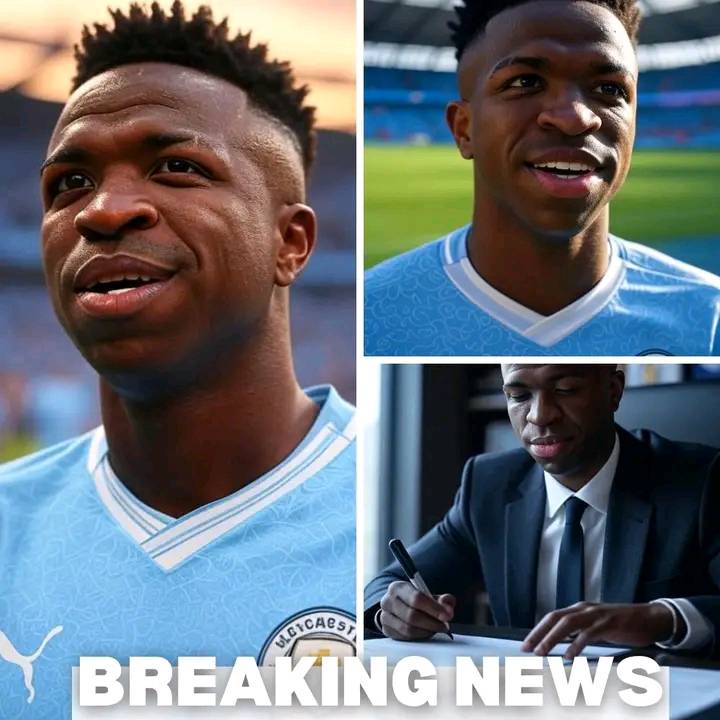
SOCCER EARTHQUAKE: Transfer Window Shatters All Records!
Introduction
Hold on to your hats, folks! The recent soccer transfer window wasn’t just eventful; it was a seismic shift, a tectonic plate collision of cash and talent that’s left the footballing world buzzing. We’re not just talking about a few big names moving clubs; we’re talking about a complete reshaping of the landscape, a financial arms race that’s rewritten the rules of the game. Did you see that astronomical fee paid for [Insert relevant player name]? It’s enough to make your head spin!
But beyond the eye-watering figures and the social media frenzy, what does this all actually *mean*? What are the short-term thrills and the long-term chills this unprecedented spending spree will unleash on the beautiful game? And perhaps most importantly, what can be done to navigate this new reality and ensure the sport’s health and competitive balance? Let’s dive in.
The Immediate Tremors: Instant Gratification (and Pressure Cookers)
The immediate impact is obvious: teams that splurged are under immense pressure to deliver. Imagine the locker room tension when [Insert high profile signing] steps onto the training ground, knowing he’s carrying the weight of a small nation’s GDP on his shoulders.
We’re talking instant expectations – fans demanding trophies, managers facing the sack after a single slip-up, and players feeling the heat to justify their hefty price tags. This can lead to a frantic, short-sighted approach, prioritizing quick wins over sustainable development. Remember [Insert team name] after their massive spending spree a few seasons ago? They crumbled under the pressure, proving that money doesn’t always buy happiness (or, in this case, titles).
Furthermore, this influx of star power often disrupts team chemistry. Suddenly, established players find themselves fighting for their place, creating potential for internal conflicts and undermining the carefully cultivated team spirit. The challenge for managers becomes weaving these expensive additions into a cohesive unit, a process that can be fraught with difficulties.
The Long-Term Aftershocks: Widening the Gap and Redefining Loyalty
The long-term implications are even more concerning. This record-breaking transfer window risks further widening the gap between the elite clubs and the rest of the pack. Only a handful of teams can compete at this financial level, creating a super-league in all but name. This leads to less competitive leagues, predictable results, and ultimately, a less engaging product for fans.
Imagine a scenario where only five or six teams realistically compete for the title each year. Will fans in smaller markets remain invested when their teams have little to no chance of success? The potential for alienation is real.
Another long-term effect is the erosion of player loyalty. With astronomical wages and the allure of Champions League football constantly dangling, players are increasingly incentivized to jump ship at the first sign of a better offer. This can lead to a transient, mercenary culture, where club identity and long-term commitments become secondary considerations. We’ve already seen examples of this with [Insert player name] moving after only [Number] years with [Insert club name], citing ambition as the primary driver.
Stabilizing the Ground: Solutions for a Sustainable Future
So, what can be done to mitigate these negative consequences and ensure the long-term health of soccer? Thankfully, several practical solutions are on the table:
- Strengthening Financial Fair Play (FFP): This is the most obvious and arguably the most crucial step. FFP regulations need to be tightened and enforced more rigorously. This means stricter monitoring of club finances, harsher penalties for breaches, and a more transparent system for assessing fair market value. The key is to prevent clubs from spending beyond their means and creating unsustainable debt burdens. We can learn from the stricter implementation of FFP in [Insert example league] which has proven helpful in curbing unsustainable spending.
- Introducing Salary Caps: A controversial but potentially effective solution is the introduction of salary caps, similar to those used in North American sports leagues. This would limit the total amount a club can spend on player wages, preventing runaway spending and promoting a more level playing field. While it might face resistance from players and agents, it could be a necessary step to curb the excesses of the transfer market. Look at how the NFL has handled salary caps. They could be a good case study.
- Implementing a Luxury Tax: Another alternative is a luxury tax, where clubs exceeding a certain spending threshold are penalized with a tax on every dollar spent above the limit. This revenue could then be redistributed to smaller clubs, promoting greater financial equality. This system allows wealthy clubs to continue spending but disincentivizes excessive spending by making it financially disadvantageous.
- Investing in Youth Academies: A crucial long-term strategy is investing in youth academies. By developing home-grown talent, clubs can reduce their reliance on expensive transfer signings and create a stronger connection with their local communities. This approach fosters a more sustainable model, emphasizing long-term development over short-term gains. Ajax Amsterdam, for example, have a great youth system that continuously produces talented players.
- Promoting Fan Ownership Models: Fan ownership models, where supporters have a significant say in the running of their club, can promote a more sustainable and community-oriented approach. These models prioritize the long-term health and well-being of the club over short-term financial gains. Clubs like Barcelona and Real Madrid, owned by their members, often prioritize fan interests and long-term stability.
Navigating the New Landscape: A Call to Action
This “soccer earthquake” has undoubtedly shaken the foundations of the game. But like any seismic event, it also presents an opportunity for rebuilding and strengthening. By embracing innovative solutions, prioritizing long-term sustainability, and fostering a more equitable financial landscape, we can ensure that soccer remains the beautiful game for generations to come.
The responsibility lies with all stakeholders – governing bodies, clubs, players, and fans. We need to demand greater transparency, advocate for fairer regulations, and support initiatives that promote long-term stability. Let’s not stand idly by as the sport we love is consumed by unchecked financial excess. Let’s work together to build a future where success is earned through skill, dedication, and fair play, not just by the size of a club’s bank account. The time to act is now! The future of soccer depends on it.
“`
