
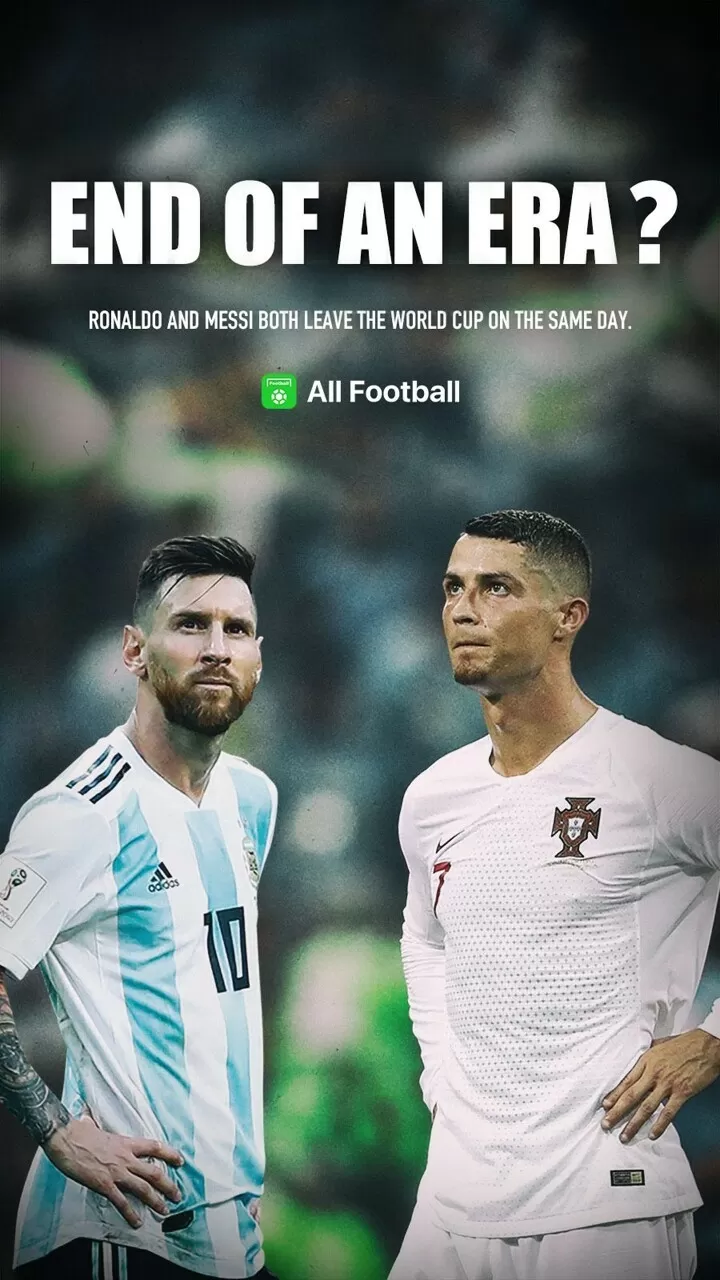
World Cup: Is This The End Of An Era?
Introduction
Remember the feeling? That electric buzz, the shared anticipation, the sheer drama unfolding on the world’s biggest stage? The World Cup. It’s more than just a football tournament; it’s a cultural phenomenon, a unifying force (sometimes divisive too, let’s be honest), and a quadrennial dose of pure sporting magic. But whisper it quietly… is that magic fading? Are we witnessing the twilight of an era for the beautiful game’s crown jewel?
Think about it. The last few World Cups, while still captivating, have been plagued by controversies. The awarding of the 2022 tournament to Qatar, the debates over human rights, the questionable officiating – it all leaves a bit of a stain on the spectacle. Add to that the changing landscape of football itself – the rise of club football’s dominance, the breakaway leagues, and the increasingly packed schedules of top players – and you start to wonder if the World Cup can maintain its position as the pinnacle of the sport.
So, is this a slow decline, a temporary blip, or a wake-up call? Let’s dive into the potential problems and explore some possible solutions.
Short-Term Stumbles: The Cracks Are Showing
In the short term, several factors are impacting the World Cup’s allure.
- Calendar Clashes and Player Burnout: Club football’s relentless schedule means players arrive at the World Cup exhausted, injured, or both. This impacts the quality of play and the potential for upsets. We saw this clearly in the 2022 tournament with many star players underperforming due to fatigue. Look at someone like Kevin De Bruyne, who admitted he was physically drained after a long Premier League season. It’s hard to be at your best on the biggest stage when you’re running on fumes.
- Off-Field Issues Overshadowing the Football: Controversy surrounding host nations, human rights concerns, and ethical questions about FIFA’s governance continue to dominate headlines. This negativity detracts from the on-field action and can alienate fans. No one wants to watch a game with a constant feeling of unease about the context in which it’s being played.
- The Rise of Club Football: The Champions League and other top club competitions offer consistently high-quality football throughout the year, diminishing the relative excitement and novelty of the World Cup. Many fans now prioritize their club teams over their national teams, leading to a potential decline in World Cup viewership.
Long-Term Challenges: A Shifting Landscape
Looking ahead, the World Cup faces even bigger, more systemic challenges:
- Global Expansion and Quality Control: FIFA’s desire to expand the tournament (the 48-team format) could dilute the quality of the competition. More teams mean more games, more travel, and potentially more mismatches. This could lead to a less exciting product for fans, especially in the group stages.
- Changing Fan Demographics: Younger generations have different viewing habits and preferences. They are more likely to consume content on demand, through shorter formats, and on multiple devices. The traditional World Cup format, with its long games and lengthy broadcast schedules, might not be as appealing to this audience.
- The Specter of Breakaway Leagues: While currently hypothetical, the possibility of top clubs forming their own exclusive leagues could further diminish the prestige of national team football. If the best players are consistently playing in these leagues, the World Cup could become a second-tier competition.
Solutions: Reimagining the Beautiful Game’s Pinnacle
Okay, so the picture isn’t exactly rosy. But the good news is that there are solutions. The World Cup can adapt and evolve to remain relevant and captivating for generations to come. Here are a few potential approaches:
- Optimize the Calendar and Prioritize Player Welfare:
- Practical Action: FIFA needs to work more closely with leagues and clubs to create a more balanced calendar. This could involve shortening league seasons, reducing the number of international breaks, or even introducing mandatory rest periods for players.
- Example: The English Premier League could, for example, adopt a winter break similar to the Bundesliga, giving players a much-needed rest during the grueling season. This would allow players to arrive at the World Cup more physically and mentally prepared.
- Strengthen Transparency and Governance:
- Practical Action: FIFA needs to implement stricter ethical guidelines, improve transparency in decision-making processes, and increase accountability for its officials. This could involve independent oversight committees, publicly available financial records, and robust mechanisms for investigating allegations of corruption.
- Example: The creation of an independent ethics committee, similar to that of the International Olympic Committee, could help restore trust in FIFA’s governance and ensure fair play in all aspects of the tournament.
- Enhance the Fan Experience:
- Practical Action: FIFA needs to embrace new technologies and formats to cater to the evolving preferences of younger fans. This could involve offering more interactive content, shorter game highlights, behind-the-scenes access, and personalized viewing experiences.
- Example: Creating a dedicated World Cup app with real-time stats, interactive replays, and customizable viewing options could enhance the fan experience and engage younger audiences.
- Focus on Quality over Quantity:
- Practical Action: While expansion can generate more revenue, FIFA should prioritize the quality of the competition. This could involve limiting the number of teams in the World Cup, implementing stricter qualification criteria, and ensuring that all participating teams are adequately prepared.
- Alternative Approach: Instead of increasing the number of teams, they could put more focus on the quality of the matches by allowing the lower ranked teams to train and improve their facilities, therefore they will have a bigger chance of performing well during the tournament.
- Case Study: The UEFA Champions League is highly regarded because it features the best clubs in Europe. A similar approach, focused on quality over quantity, could help maintain the World Cup’s prestige.
- Redistribute Wealth and Invest in Grassroots Football:
- Practical Action: FIFA should allocate a greater percentage of its revenue to developing football in emerging nations. This could involve funding coaching programs, building infrastructure, and providing equipment to grassroots organizations.
- Example: The FIFA Foundation could partner with national football associations to create academies for talented young players in developing countries, providing them with the resources and training they need to reach their full potential.
Conclusion
The World Cup stands at a crossroads. It can either cling to the past and risk fading into irrelevance, or embrace change and adapt to the challenges of the modern era. The solutions outlined above are not exhaustive, but they offer a starting point for a much-needed conversation about the future of the tournament.
The key takeaway? This isn’t just FIFA’s problem. It’s a collective responsibility – for fans, players, clubs, and governing bodies – to ensure that the World Cup remains the pinnacle of the beautiful game for generations to come. It’s time to demand better, to push for change, and to actively participate in shaping the future of football’s greatest spectacle. The passion is still there, the potential is undeniable. Let’s not let this era end with a whimper. Let’s reignite the magic and ensure the World Cup continues to inspire and unite the world.
